
Opioid Policies
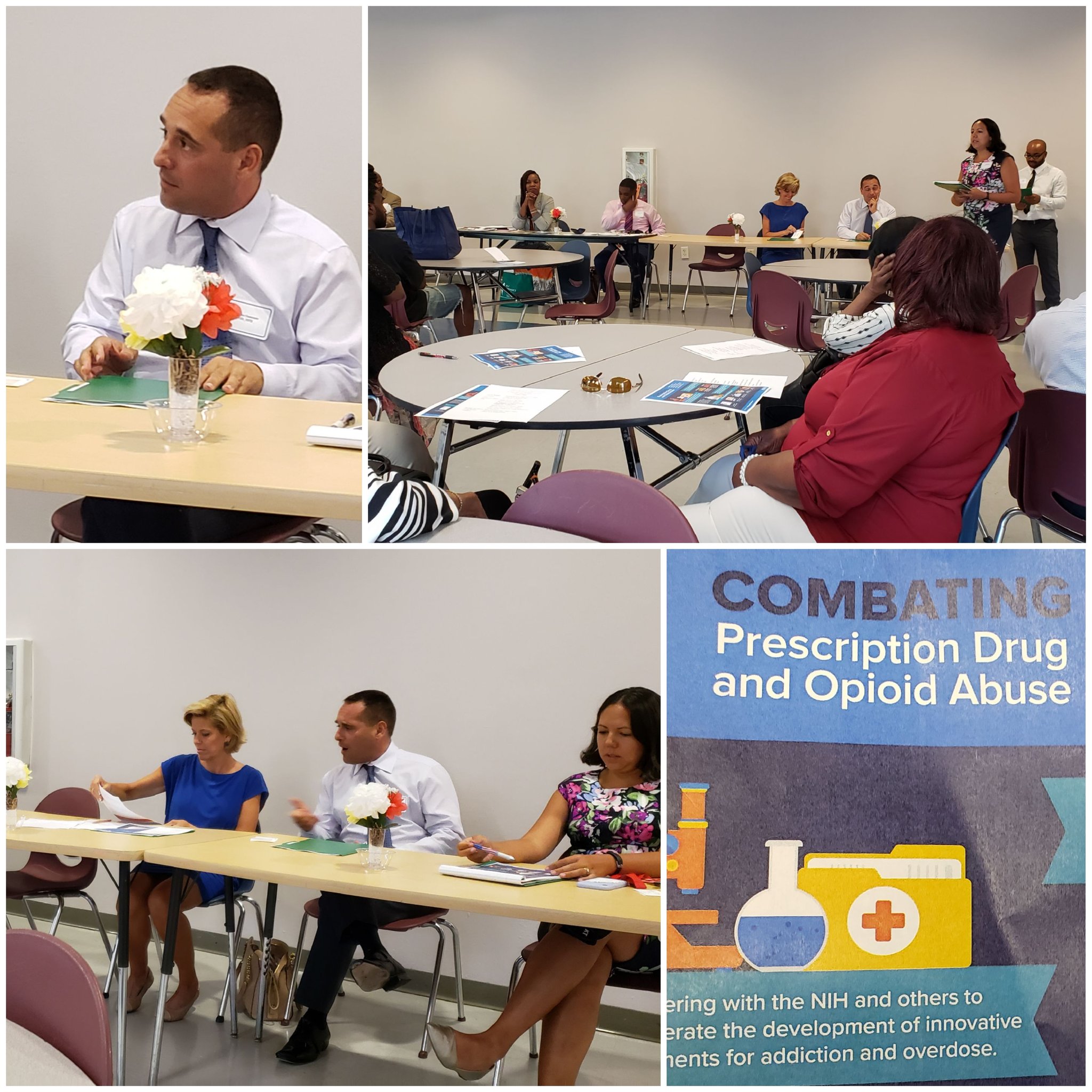
Much like the rest of the United States, residents of the District of Columbia are struggling with substance use disorder (SUD) rate increases and high rates of opioid-related deaths. Unfortunately, these are multi-faceted issues that require year-long initiatives and systematic programs to address the myriad causes of addiction.
MSDC stands as a partner to the District government and private entities to help arrest the rates of opioid and substance abuse in the District. Through our advocacy for better prescribing practices, education on addiction, and even helping our own community through our Physician Health Program, MSDC is working to make DC a leader in reducing SUD, OUD, and addiction.
On a related note, MSDC is passionate about helping patients make prescriptions and medication more affordable. Whether expanding access to biosimilars or advocating for more affordable co-pays, MSDC wants to help our patients afford the medications they need.
MSDC Statement and Testimony on Opioid and Prescription Issues
25th Council information coming soon
DC represents well at AMA I-25
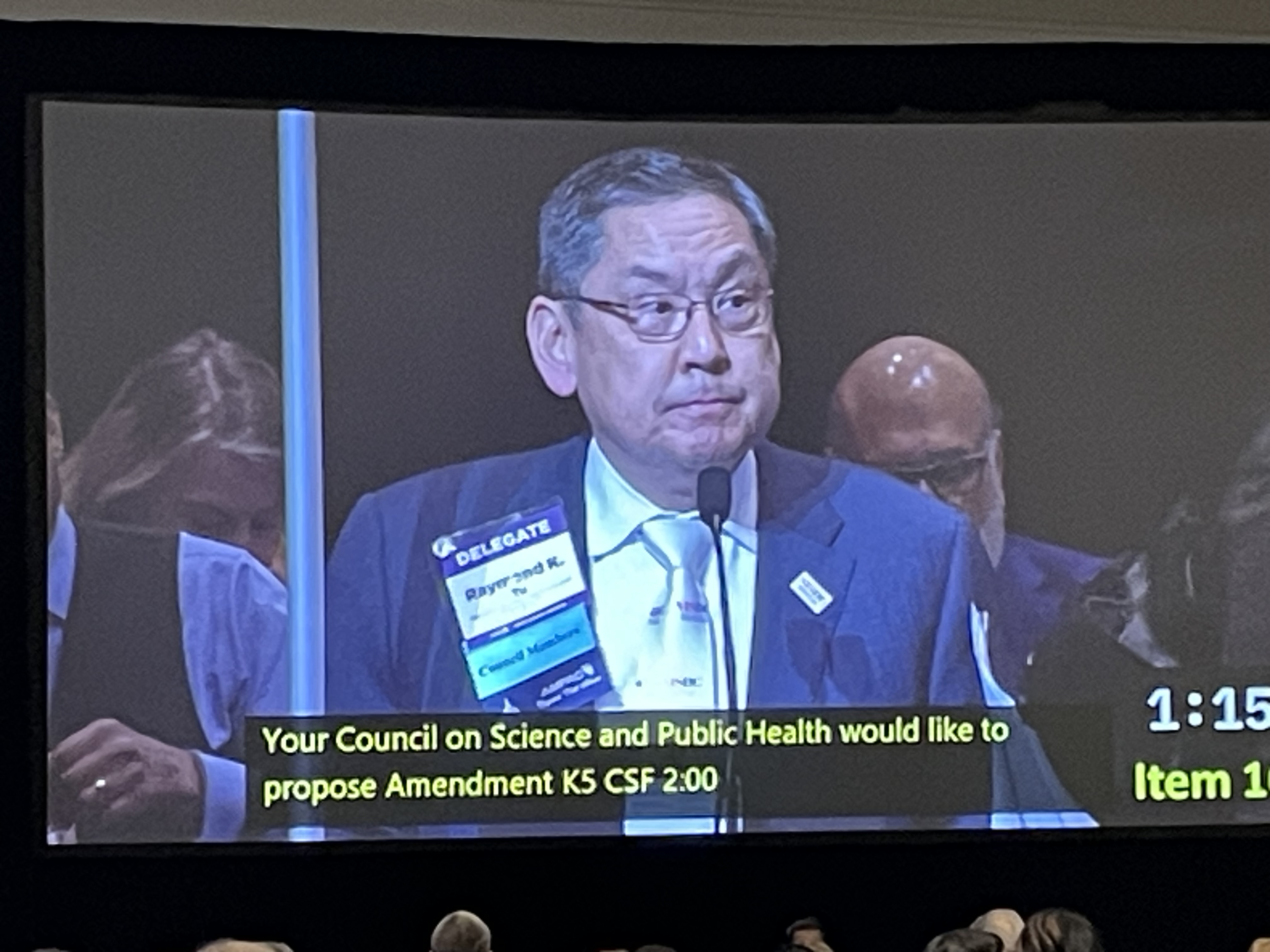
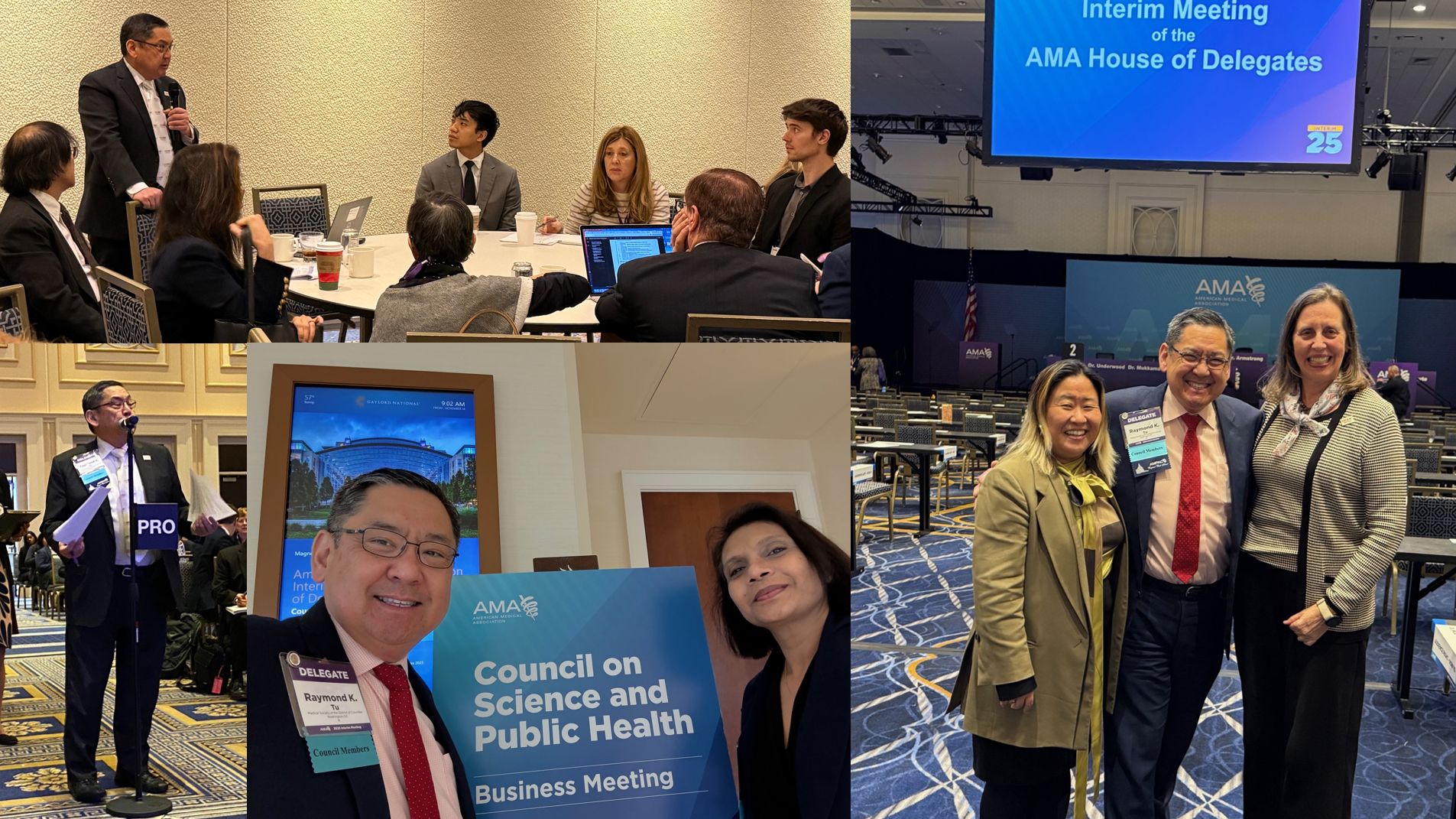
The MSDC American Medical Association delegation and "friends" were everywhere at the House of Delegates 2025 Interim meeting (I-25) this weekend at National Harbor. While this is not unusual - DC has always been an outsized player in HOD policy - this year's meeting saw DC people even more present with the meeting so close to home.
The DC delegation introduced one resolution and backstopped another that became AMA policy. Resolution 901 would align AMA policy with more precise science by differentiating between different types of ultra-processed foods. Generally the media and public assume all ultra-processed foods are bad for health, but there are some vegan and non-diary alternatives that fall into this definition. The resolution makes sure that soymilk is not treated the same as hot dogs in dietary guidelines. The second resolution establishes policy on fire risk standards for civilian and non-industrial clothing. The resolution points out the recent tragedies in New York and DC of people being lit on fire, and how fire-retardant clothing could have helped save their lives.
The meeting was not just resolutions, however. DC represented across the meeting in various events, including the DC/MedChi Maryland collaborations, Southeastern Delegation meetings, and the Organization of State Medical Association Presidents (OSMAP). Two of our Board members (Dr. Tu on CSAPH and Dr. Knight of CEJA) served on important committees for the meeting. Various other DC physicians attended coalition and section meetings.
The next AMA HOD meeting is in Chicago June 5-10, 2026.

Sample of Legislation MSDC Tracked on Opioid and Prescription Policy
What does it do? The bill authorizes licensed pahrmacists to dispense interchangeable biological products and requires notifications to physicians when such interchangeables are dispensed.
MSDC position: MSDC has a position of priority support on this legislation, identifying its passage as one of its highest legislative priorities.
Current status: SUCCESS. The bill was passed by the Council and signed by the Mayor.
What does it do? The bill requires prescription opioid medications to include a statement that the drug is an opioid and opioids may cause dependence, addiction, or overdoes.
MSDC position: MSDC supports the legislation.
Current status: The bill had a hearing before the Committee on Health on July 29, 2020. MSDC leader Dr. Sam Kareff testified for the Medical Society. It passed the Council on November 10 and was signed by the Mayor December 7.
What does it do? The bill prohibits insurance companies from factoring the use of PreP in decisions related to disability, life, or long-term care policies.
MSDC position: MSDC supports this legislation
Current status: The bill was introduced on January 8, 2019 and assigned to the Committee on Business and Economic Development.