
Health Equity
Medicaid Enrollment Touches 39% of the Residents of The District of Columbia; DC’s 70/30 FMAP is Vital for the Maintenance of Health & Human Services
A reduction in the District’s FMAP would not lead to long-term government savings and would have a ripple effect throughout the entire health system in the DMV, crippling access to care for not only Medicaid beneficiaries but also all those who live, work, and visit the District of Columbia, including members of Congress and their staffs.
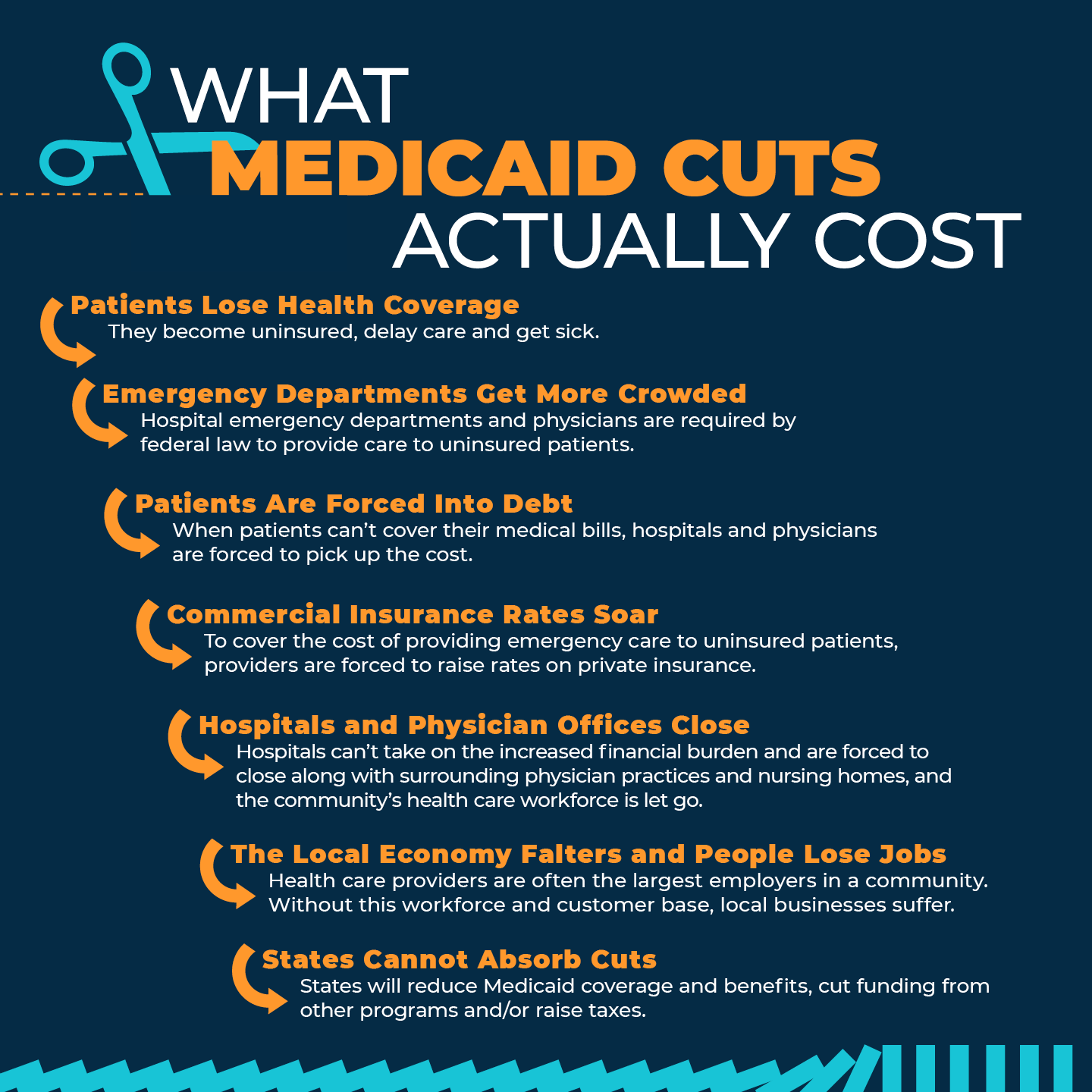
Why does DC receive an Enhanced FMAP Rate?
The DC FMAP rate of 70% established by the Revitalization Act resulted from bipartisan analysis, discussion, and negotiation by Congressional leadership aiming to balance fairness with the District’s restricted ability to generate revenue. Congress recognized that the District of Columbia faces unique financial challenges due to its non-state status and the significant amount of federally-owned land within its boundaries. The District is unable to tax non-residents’ earnings, so these workers pay no taxes to support the infrastructure and services, such as roads, public safety and emergency services that they benefit from in the District. The District is also unable to tax up to 40% of the real property within its borders due to statutory restrictions.
Why are we concerned about DC's FMAP now?
Members of Congress have proposed reducing the DC FMAP to the statutory minimum for all other states, which is currently 50% (but could be reduced even more). Such a change would impact every physician and every practice, regardless of type, location, and payers contracted. Even practices who take no insurance will not be able to send patients for specialist care, hospital admissions, or other types of care.
What can MSDC members do?
- If you know a member of Congress or staffer, reach out to them and share how DC cuts will hurt your patients.
- Share your relationships and outreach with hay@msdc.org so we can help coordinate advocacy efforts.
- Email hay@msdc.org if you would like to be paired with a physician member of Congress office and trained by MSDC staff on how to reach out.
Resources
- DC FMAP cut fact sheet
- California Medical Association fact sheet on Medicaid cuts
- MSDC and healthcare association letter to Congress arguing against DC FMAP changes.
- MSDC original story on Medicaid changes.
News, Statements, and Testimony on Health Equity Issues
MSDC Statement on New CME Mandate from DC Council
The following is a statement from MSDC President Dr. Klint Peebles on behalf of the Society on new legislation introduced to require additional content-specific CME on all medical providers:
The Medical Society of the District of Columbia is disappointed to see the introduction of B26-862 and urges the Council to shelve the legislation permanently. While the aim of the legislation is understandable and compassionate, mandating that licensed health professionals take specific continuing education courses is not a best practice to ensure good healthcare in the District, and such mandates have not been shown to consistently improve clinical competency or patient outcomes. Licensure requirements should allow healthcare providers to seek out the education they need to support best practices and optimal care in their respective specialties. It is rare that one topic will apply to every specialty of practice. To avoid this, the bill seeks to carve out "direct patient interaction", a phrase with no legal meaning and bound to cause confusion with a licensing process that does not discriminate on how physicians help patients.
In addition, the licensure process is not one designed to highlight how good a practitioner is at their specialty, but to ensure that the practitioner is qualified to practice in the District. Multiple content-specific CME requirements change the licensure process to one by which practitioners are not judged on baseline qualifications. In addition, as more content-specific requirements are added, the time for CME or CE relevant to the provider’s specialty decreases, thereby diverting limited continuing education time from other critical clinical and patient-care priorities.
MSDC strongly believes that dementia care and education are important to the medical community. Our DC Area Medical License Center already includes free and low-cost CME on dementia care. In addition, MSDC will shortly announce a new initiative designed to help caregivers of loved ones with dementia live healthier lifestyles respectful of the care they are providing. We encourage the Council to partner with the medical community on voluntary, evidence-based educational initiatives that actually improve care without adding unnecessary licensure mandates.