
Health Equity
Medicaid Enrollment Touches 39% of the Residents of The District of Columbia; DC’s 70/30 FMAP is Vital for the Maintenance of Health & Human Services
A reduction in the District’s FMAP would not lead to long-term government savings and would have a ripple effect throughout the entire health system in the DMV, crippling access to care for not only Medicaid beneficiaries but also all those who live, work, and visit the District of Columbia, including members of Congress and their staffs.
.png?sfvrsn=9ac2d21b_0 "What Medicaid Cuts Actually Cost")
Why does DC receive an Enhanced FMAP Rate?
The DC FMAP rate of 70% established by the Revitalization Act resulted from bipartisan analysis, discussion, and negotiation by Congressional leadership aiming to balance fairness with the District’s restricted ability to generate revenue. Congress recognized that the District of Columbia faces unique financial challenges due to its non-state status and the significant amount of federally-owned land within its boundaries. The District is unable to tax non-residents’ earnings, so these workers pay no taxes to support the infrastructure and services, such as roads, public safety and emergency services that they benefit from in the District. The District is also unable to tax up to 40% of the real property within its borders due to statutory restrictions.
Why are we concerned about DC's FMAP now?
Members of Congress have proposed reducing the DC FMAP to the statutory minimum for all other states, which is currently 50% (but could be reduced even more). Such a change would impact every physician and every practice, regardless of type, location, and payers contracted. Even practices who take no insurance will not be able to send patients for specialist care, hospital admissions, or other types of care.
What can MSDC members do?
- If you know a member of Congress or staffer, reach out to them and share how DC cuts will hurt your patients.
- Share your relationships and outreach with hay@msdc.org so we can help coordinate advocacy efforts.
- Email hay@msdc.org if you would like to be paired with a physician member of Congress office and trained by MSDC staff on how to reach out.
Resources
- DC FMAP cut fact sheet
- California Medical Association fact sheet on Medicaid cuts
- MSDC and healthcare association letter to Congress arguing against DC FMAP changes.
- MSDC original story on Medicaid changes.
News, Statements, and Testimony on Health Equity Issues
MSDC Member Profile: Dr. Jill Finkelstein
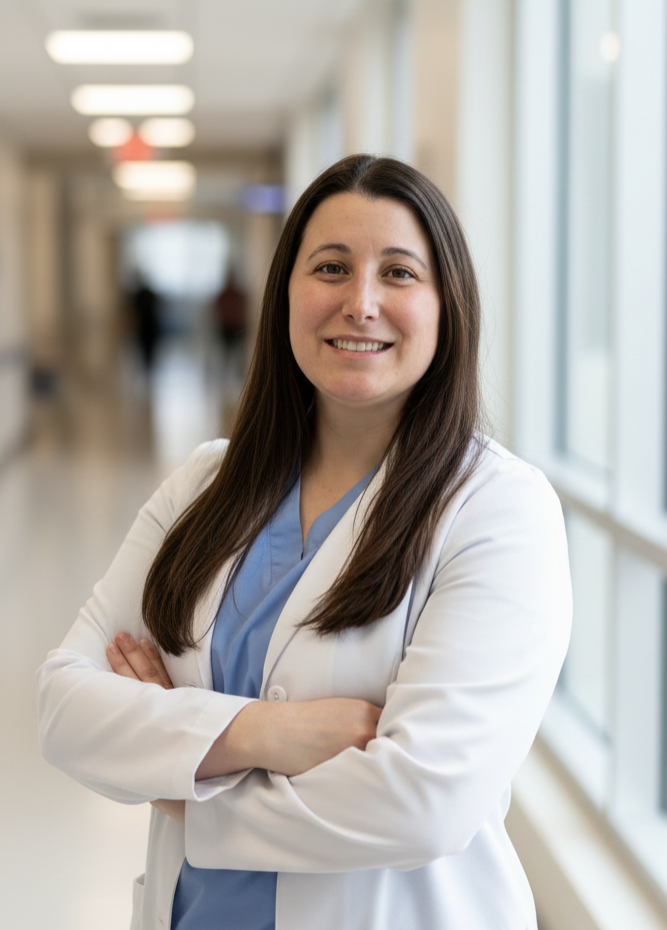
1. Why do you belong to MSDC? What made you join, and what keeps you engaged?
DC is a unique and complex environment for practicing medicine. MSDC keeps me informed of the legislative and regulatory decisions that affect my day-to-day practice and equips me with practical tools to engage effectively. It lowers the barrier to participation, making it easier for physicians to have a real impact. Equally valuable is the community. MSDC brings together physicians across specialties and practice settings who share common challenges and goals. The emphasis on physician well-being is also very valuable, especially with all the demands of that a career in medicine brings these days.
2. If you could have dinner with any historical figure (medical or otherwise), who would it be and what would you ask them?
I would choose to have dinner with President Barack Obama. I think it would be incredibly insightful and genuinely fun. He comes across as being thoughtful, self-aware, funny, and a great conversationalist. I’d love to talk with him about some of our common interests: college basketball, parenting young children while in a demanding job with atypical hours, DC's dining scene... oh, and affordable healthcare.
3. What's one piece of advice you'd give to a physician just starting their practice in the DC area?
DC’s diversity is one of its greatest strengths, and MSDC reflects that. There’s a real opportunity to learn from colleagues with different backgrounds and experiences, which ultimately makes us better physicians. Finally, I strongly believe in giving back to the next generation. With three medical schools in the area, there is a constant need for physician mentors and preceptors. Supporting trainees isn’t just rewarding—it’s essential to the future of our profession. MSDC helps create those connections and reinforces that responsibility.