
Health Equity
Medicaid Enrollment Touches 39% of the Residents of The District of Columbia; DC’s 70/30 FMAP is Vital for the Maintenance of Health & Human Services
A reduction in the District’s FMAP would not lead to long-term government savings and would have a ripple effect throughout the entire health system in the DMV, crippling access to care for not only Medicaid beneficiaries but also all those who live, work, and visit the District of Columbia, including members of Congress and their staffs.
.png?sfvrsn=9ac2d21b_0 "What Medicaid Cuts Actually Cost")
Why does DC receive an Enhanced FMAP Rate?
The DC FMAP rate of 70% established by the Revitalization Act resulted from bipartisan analysis, discussion, and negotiation by Congressional leadership aiming to balance fairness with the District’s restricted ability to generate revenue. Congress recognized that the District of Columbia faces unique financial challenges due to its non-state status and the significant amount of federally-owned land within its boundaries. The District is unable to tax non-residents’ earnings, so these workers pay no taxes to support the infrastructure and services, such as roads, public safety and emergency services that they benefit from in the District. The District is also unable to tax up to 40% of the real property within its borders due to statutory restrictions.
Why are we concerned about DC's FMAP now?
Members of Congress have proposed reducing the DC FMAP to the statutory minimum for all other states, which is currently 50% (but could be reduced even more). Such a change would impact every physician and every practice, regardless of type, location, and payers contracted. Even practices who take no insurance will not be able to send patients for specialist care, hospital admissions, or other types of care.
What can MSDC members do?
- If you know a member of Congress or staffer, reach out to them and share how DC cuts will hurt your patients.
- Share your relationships and outreach with hay@msdc.org so we can help coordinate advocacy efforts.
- Email hay@msdc.org if you would like to be paired with a physician member of Congress office and trained by MSDC staff on how to reach out.
Resources
- DC FMAP cut fact sheet
- California Medical Association fact sheet on Medicaid cuts
- MSDC and healthcare association letter to Congress arguing against DC FMAP changes.
- MSDC original story on Medicaid changes.
News, Statements, and Testimony on Health Equity Issues
MSDC Member Profile: Dr. Klint Peebles
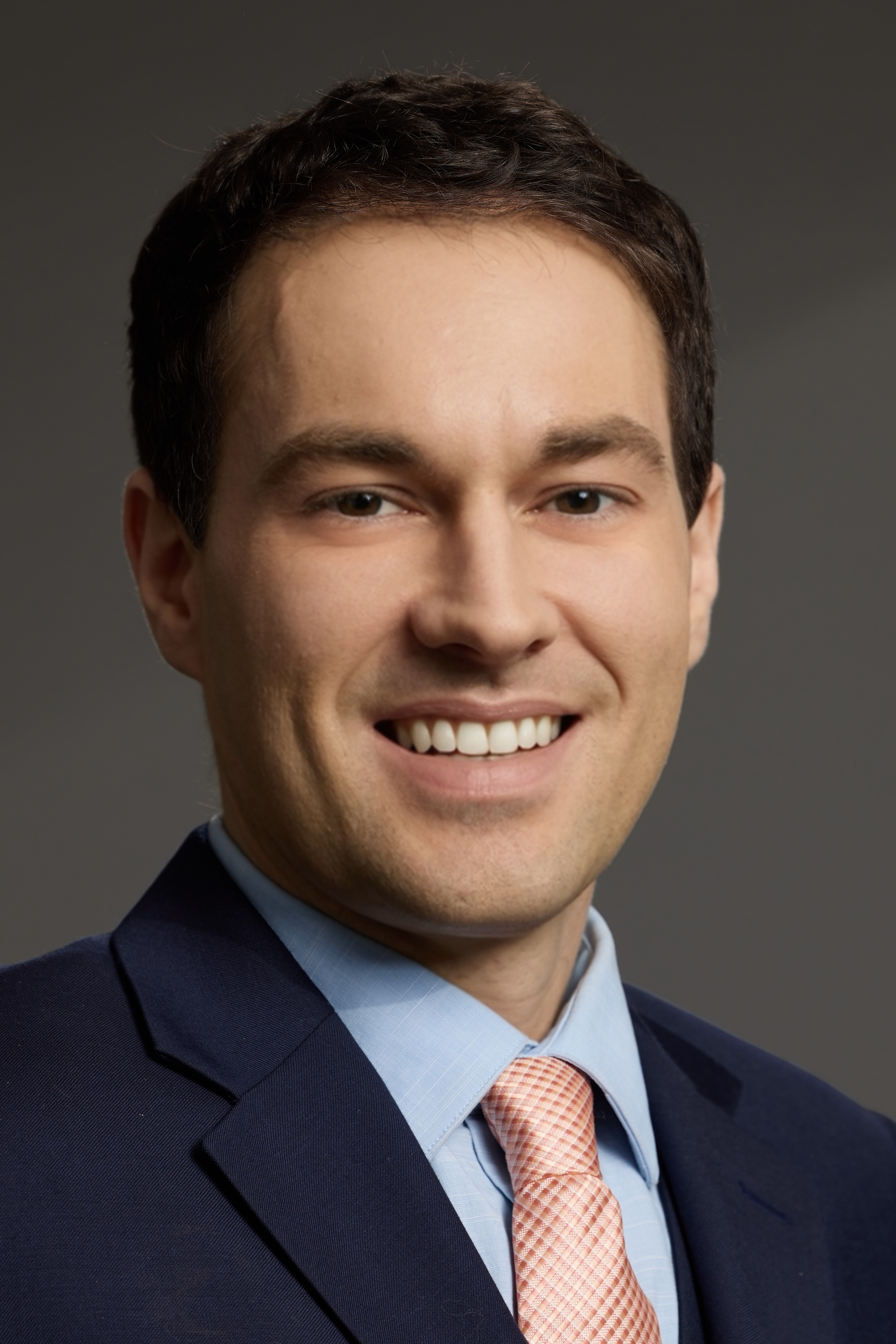
Why do you belong to MSDC? What made you join, and what keeps you engaged?
I joined MSDC because I believe organized medicine is strongest when physicians engage at all levels of policymaking, including locally, not just nationally. The District of Columbia presents unique regulatory and policy dynamics unlike that of any other state, and MSDC plays a critical role in ensuring physicians have a unified voice at the Council and agency level. What keeps me engaged is the opportunity to translate real-world clinical experience into meaningful advocacy that protects both patients and the profession. MSDC fosters relationships across specialties that make that advocacy even more effective. The expertise of MSDC’s staff and resources are absolutely invaluable in terms of navigating the structural and regulatory landscape of the District, which substantially amplifies the impact of our shared goals as physicians seeking to provide an exceptional quality of care to our patients.
If you could have dinner with any historical figure (medical or otherwise), who would it be and what would you ask them?
This is always such a challenging question that I have never been particularly good at answering. But I would choose Abraham Lincoln. He led during profound national division while preserving institutional stability and moral clarity, often under extraordinary pressure. What has always struck me about Lincoln is not just his conviction, but his restraint — his ability to listen deeply, absorb criticism, and still act decisively when it mattered most. I would ask how he sustained perspective and discipline amid constant turbulence and grief, and how he balanced principle with pragmatism without losing sight of long-term institutional integrity. His leadership reminds me that durable progress is built not through reaction, but through steadiness, humility, and strategic coalition-building — lessons that feel especially relevant in medicine today.
What's one piece of advice you'd give to a physician just starting their practice in the DC area?
Engage early and build relationships beyond your exam room. In DC, policy decisions directly influence practice realities, so understanding the local landscape and its leaders matters. Connect with colleagues across specialties and participate in organized medicine—your voice carries more weight than you think. Clinical excellence is essential, but advocacy and collaboration will sustain your practice long-term. And most importantly, it can become an incredibly rewarding and fulfilling aspect of your career!