
Women's Health

MSDC has long advocated for women's health protections, the rights of women physicians, and affordable care for women's issues. MSDC works closes with ACOG, AAFP, AAP, and other specialty organizations to craft local legislation that allows DC to be the best place to practice women's and maternal medicine.
In the face of a maternal mortality crisis in the District, engagement in these issues is more important than ever. Learn more about how MSDC is working to protect the health of women, mothers, and babies in all wards in the city.
MSDC Statements and Testimony on Women's Health Issues
25th Council information coming soon!
MSDC Member Profile: Dr. Jill Finkelstein
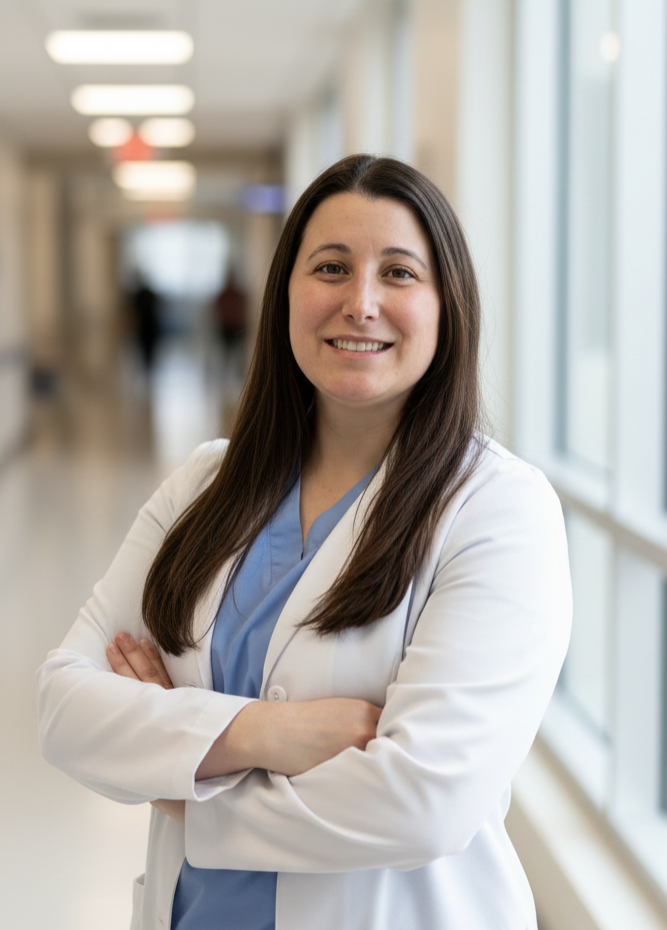
1. Why do you belong to MSDC? What made you join, and what keeps you engaged?
DC is a unique and complex environment for practicing medicine. MSDC keeps me informed of the legislative and regulatory decisions that affect my day-to-day practice and equips me with practical tools to engage effectively. It lowers the barrier to participation, making it easier for physicians to have a real impact. Equally valuable is the community. MSDC brings together physicians across specialties and practice settings who share common challenges and goals. The emphasis on physician well-being is also very valuable, especially with all the demands of that a career in medicine brings these days.
2. If you could have dinner with any historical figure (medical or otherwise), who would it be and what would you ask them?
I would choose to have dinner with President Barack Obama. I think it would be incredibly insightful and genuinely fun. He comes across as being thoughtful, self-aware, funny, and a great conversationalist. I’d love to talk with him about some of our common interests: college basketball, parenting young children while in a demanding job with atypical hours, DC's dining scene... oh, and affordable healthcare.
3. What's one piece of advice you'd give to a physician just starting their practice in the DC area?
DC’s diversity is one of its greatest strengths, and MSDC reflects that. There’s a real opportunity to learn from colleagues with different backgrounds and experiences, which ultimately makes us better physicians. Finally, I strongly believe in giving back to the next generation. With three medical schools in the area, there is a constant need for physician mentors and preceptors. Supporting trainees isn’t just rewarding—it’s essential to the future of our profession. MSDC helps create those connections and reinforces that responsibility.
Sample of Legislation MSDC Followed in Women's Health and Maternal Health
(See the whole list of bills here)
What does the bill do? Extends postpartum inpatient and outpatient benefits to at least one year after childbirth
MSDC position: We support this legislation and the extension of insurance benefits to mothers and babies to help maternal health in the District
Current status: SUCCESS. The bill passed the Council and was signed into law by the Mayor on August 14, 2020.
What does the bill do? The bill prohibits the District government from interfering with patients' reproductive health decisions and prohibits employers from punishing physicians who perform abortions or sterilizations outside of their employment.
MSDC position: We support this legislation as it allows physicians freedom of practice.
Current status: SUCCESS. The bill passed the Committee on Government Operations in January. MSDC submitted testimony at the December hearing, and MSDC member Sara Imershein testified at the hearing. The Council passed the bill and the Mayor signed it into law on March 23, 2020.
What does the bill do? The bill extends coverage for maternal health issues and fertility preservation, creates a Maternal Health Center in the District, and mandates two hours of cultural competence CME for health care providers.
MSDC position: We oppose the bill without changes due to inclusion of mandatory CME and some of the definitions in the bill being medically questionable.
Current status: The bill had a hearing in the Committee on Health in December, with MSDC member Dr. Sara Imershein testifying for MSDC and ACOG.