
Opioid Policies
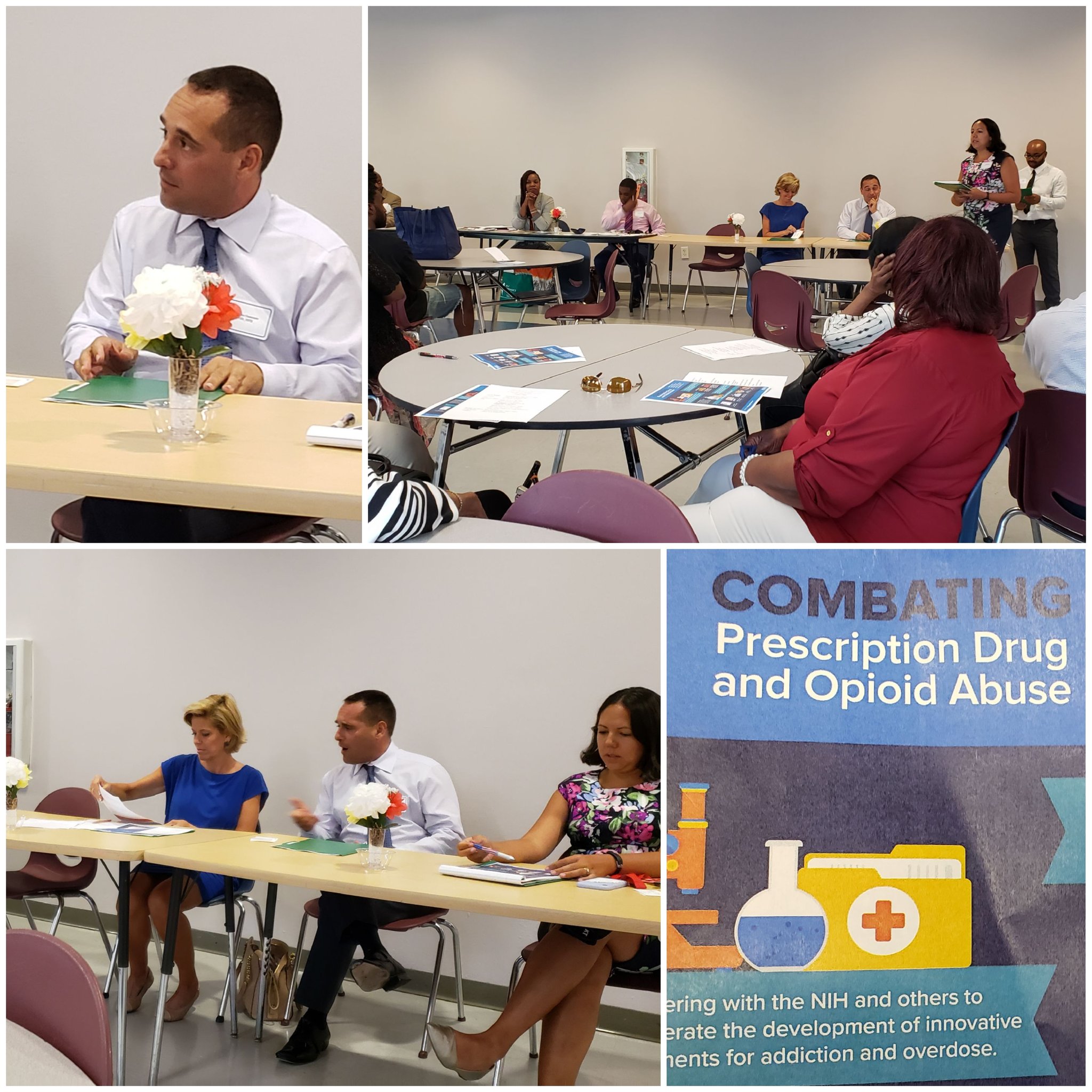
Much like the rest of the United States, residents of the District of Columbia are struggling with substance use disorder (SUD) rate increases and high rates of opioid-related deaths. Unfortunately, these are multi-faceted issues that require year-long initiatives and systematic programs to address the myriad causes of addiction.
MSDC stands as a partner to the District government and private entities to help arrest the rates of opioid and substance abuse in the District. Through our advocacy for better prescribing practices, education on addiction, and even helping our own community through our Physician Health Program, MSDC is working to make DC a leader in reducing SUD, OUD, and addiction.
On a related note, MSDC is passionate about helping patients make prescriptions and medication more affordable. Whether expanding access to biosimilars or advocating for more affordable co-pays, MSDC wants to help our patients afford the medications they need.
MSDC Statement and Testimony on Opioid and Prescription Issues
25th Council information coming soon
MSDC's 2026 Capital Healthcare Honors Celebrates the "Capital of Care"
On the evening of Wednesday, March 25, 2026, the Medical Society of the District of Columbia gathered more than one hundred physicians, hospital leaders, DC government officials, and healthcare professionals at the historic National Press Club for the 2026 Capital Healthcare Honors. Under the theme "Capital of Care: Where Innovation Meets Impact", the evening brought together the District's medical community to recognize outstanding contributions to medicine, public health, and the patients of Washington, DC.
The event opened with a lively networking reception, where guests enjoyed cocktails and conversation before moving into the dinner and awards program. MSDC President Dr. Matthew Lecuyer welcomed attendees and introduced distinguished guests before presiding over an evening that honored six individuals and organizations whose work reflects the very best of DC healthcare.
Certificate of Meritorious Service — Dr. Allen H. Roberts II
MSDC's highest honor, the Certificate of Meritorious Service, was presented to Dr. Allen H. Roberts II of MedStar Georgetown University Hospital. A Navy veteran who served as a White House Physician under President George H.W. Bush, Dr. Roberts has spent more than two decades practicing Critical Care Medicine at Georgetown while also serving as a professor of clinical medicine and Chair of the hospital's Ethics Committee. His distinguished career — spanning military service, bedside medicine, and bioethics scholarship — exemplifies the award's tradition of recognizing those who have given exceptional service to the medical profession as a whole.
Distinguished Service Award — Dr. Charles P. Samenow
The Distinguished Service Award, presented for outstanding service to MSDC itself, went to Dr. Charles P. Samenow, a board-certified psychiatrist. Dr. Samenow has served as Chair of MSDC's Physician Health Committee, where he has worked tirelessly to support physicians facing mental health, substance use, and professional conduct challenges — an often quiet but critically important dimension of organized medicine's mission.
Dr. Charles H. Epps III Community Service Award — Dr. Patience H. White
The community service honor bearing the name of one of DC medicine's great luminaries was awarded to Dr. Patience H. White, co-director of Got Transition and Professor Emeritus at George Washington University. Over a career spanning more than four decades, Dr. White has championed the health care transition for young patients moving from pediatric to adult care systems, developed nationally recognized frameworks now used across the country, and served as a tireless voice for children and young adults with chronic conditions. She currently serves as Governor of the American College of Physicians DC Chapter.
John Benjamin Nichols Award — DC Health Benefit Exchange Authority
The John Benjamin Nichols Award, recognizing outstanding contributions toward improving the health of the community, was presented to the DC Health Benefit Exchange Authority (HBX) and its Executive Director, Mila Kofman. Since launching DC Health Link in 2013, HBX has helped cut the District's uninsured rate in half, served approximately 100,000 residents and businesses, and pioneered coverage models — including the newly launched Healthy DC Plan — that have become national models for other states. The recognition honors HBX's sustained commitment to making quality, affordable healthcare accessible to all DC residents.
President's Award — Feseha Woldu, PhD
Dr. Lecuyer presented the President's Award to Feseha Woldu, PhD, Vice President for Population Programs and Community Affairs at MedStar Health. Dr. Woldu's work in population health management has driven meaningful improvements in health outcomes for vulnerable and underserved communities across the DC region, leveraging data, community engagement, and targeted interventions to address health disparities at scale.
Dr. Cesar A. Caceres Innovation in Healthcare Technology Award — Mary's Center
The Dr. Cesar A. Caceres Innovation in Healthcare Technology Award went to Mary's Center, the District's well-known Federally Qualified Health Center and multi-service nonprofit. Mary's Center was honored for its initiative to deploy wearable remote monitoring technology for pregnant individuals facing barriers to in-person care — including transportation challenges, safety concerns, and housing instability. The program, which extends monitoring through the postpartum period, reflects both the spirit of Dr. Caceres's legacy and the urgent need for innovative solutions to maternal health disparities in DC.
MSDC extends its deepest congratulations to all six honorees and its heartfelt thanks to the sponsors whose generosity made the 2026 Capital Healthcare Honors possible. The evening was a powerful reminder of the talent, dedication, and compassion that define Washington, DC's medical community.
Sample of Legislation MSDC Tracked on Opioid and Prescription Policy
What does it do? The bill authorizes licensed pahrmacists to dispense interchangeable biological products and requires notifications to physicians when such interchangeables are dispensed.
MSDC position: MSDC has a position of priority support on this legislation, identifying its passage as one of its highest legislative priorities.
Current status: SUCCESS. The bill was passed by the Council and signed by the Mayor.
What does it do? The bill requires prescription opioid medications to include a statement that the drug is an opioid and opioids may cause dependence, addiction, or overdoes.
MSDC position: MSDC supports the legislation.
Current status: The bill had a hearing before the Committee on Health on July 29, 2020. MSDC leader Dr. Sam Kareff testified for the Medical Society. It passed the Council on November 10 and was signed by the Mayor December 7.
What does it do? The bill prohibits insurance companies from factoring the use of PreP in decisions related to disability, life, or long-term care policies.
MSDC position: MSDC supports this legislation
Current status: The bill was introduced on January 8, 2019 and assigned to the Committee on Business and Economic Development.