
Opioid Policies
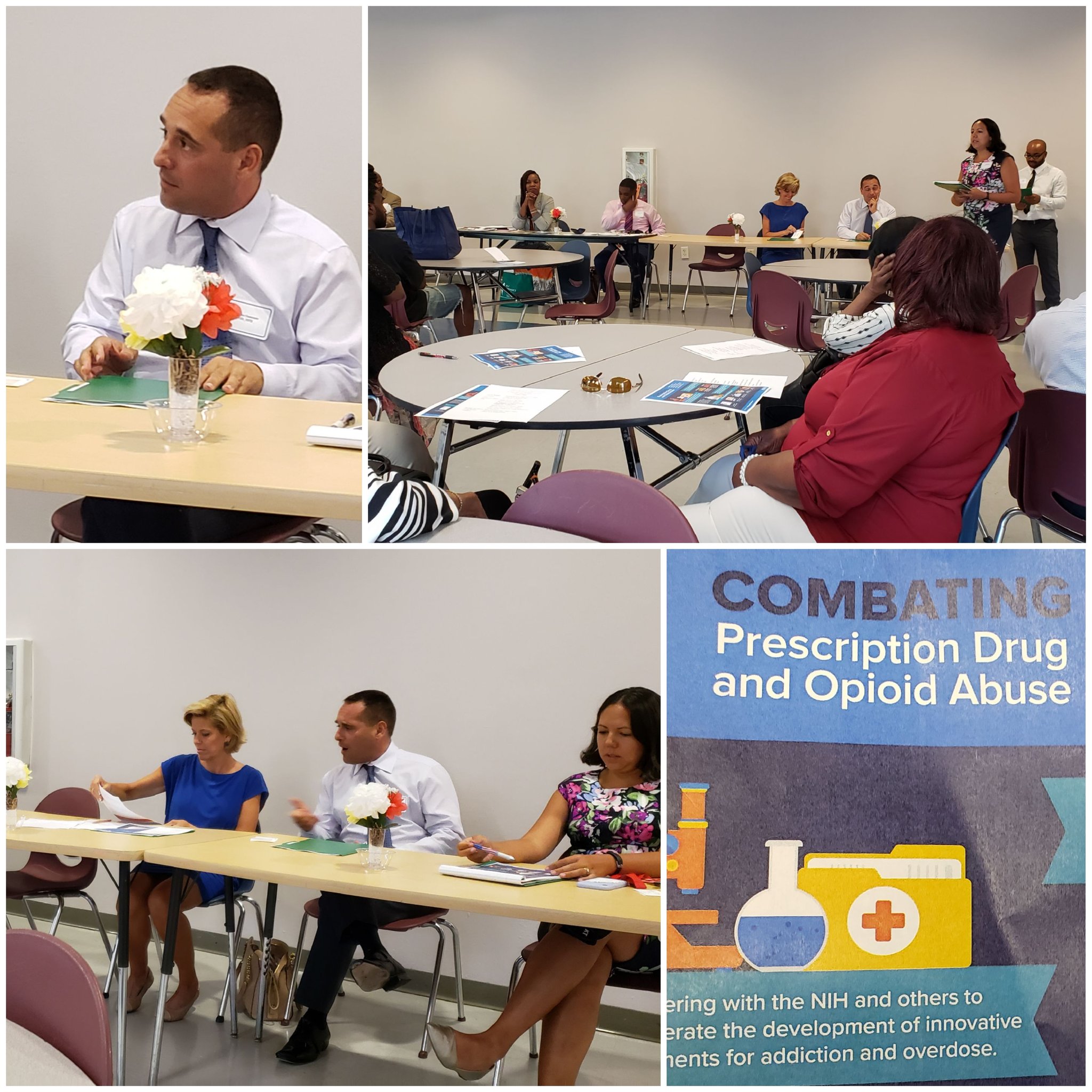
Much like the rest of the United States, residents of the District of Columbia are struggling with substance use disorder (SUD) rate increases and high rates of opioid-related deaths. Unfortunately, these are multi-faceted issues that require year-long initiatives and systematic programs to address the myriad causes of addiction.
MSDC stands as a partner to the District government and private entities to help arrest the rates of opioid and substance abuse in the District. Through our advocacy for better prescribing practices, education on addiction, and even helping our own community through our Physician Health Program, MSDC is working to make DC a leader in reducing SUD, OUD, and addiction.
On a related note, MSDC is passionate about helping patients make prescriptions and medication more affordable. Whether expanding access to biosimilars or advocating for more affordable co-pays, MSDC wants to help our patients afford the medications they need.
MSDC Statement and Testimony on Opioid and Prescription Issues
25th Council information coming soon
How to Ensure Your Practice is Paid for Medicaid Services
Please see below from DC Medicaid
As you are aware, DHCF is transitioning to a new fiscal agent / claims payment vendor – Gainwell - on March 2, 2026. Beginning March 2nd, Gainwell will be responsible for:
- Adjudication and payment of valid health care claims;
- Operating the call centers for provider inquiry and Electronic Data Interchange (EDI) technical support; and
- Provider, beneficiary, and other provider inquiry web portal functions.
Provider training sessions kicked off on January 6, 2026, and will continue through the transition period. To register for training, providers must access the MMIS Learning Center at https://mmislearningcenter.myabsorb.com as referenced in the introductory training email providers received from Gainwell.
Last week, Gainwell sent a letter to providers with an overview of what to expect with the transition and the steps providers need to take starting February 2, 2026, to register with the new system. It is imperative that providers register prior to March 2nd – if providers fail to register with the new system, they will not be able to submit claims and receive payment. A sample of the letter is attached for your awareness, and I ask that you amplify the letter and its messaging with your members. Your support will help ensure a seamless transition.
I also want to call to your attention to the impact on the payment cycle once the new system goes live. There will be a one-week delay in payment when the new system goes live. Specifically, there will be no payments made on Friday, March 6, 2026. The first payments from the new Gainwell system will occur on Friday, March 13, 2026. Providers should plan accordingly if they are accustomed to weekly payments.
As of Tuesday, the new Gainwell portal is live and can be accessed at https://medicaid.dc.gov. If you look under the Provider tab, you will find the links to provider training and more information. Below recaps the key dates starting this month going forward.
January 6th: Provider training sessions kicked-off
January 20th: Portal go-live (https://medicaid.dc.gov)
February 2nd: Provider registration opens
March 2nd: System go-live
March 13th: First payment from the Gainwell system
Sample of Legislation MSDC Tracked on Opioid and Prescription Policy
What does it do? The bill authorizes licensed pahrmacists to dispense interchangeable biological products and requires notifications to physicians when such interchangeables are dispensed.
MSDC position: MSDC has a position of priority support on this legislation, identifying its passage as one of its highest legislative priorities.
Current status: SUCCESS. The bill was passed by the Council and signed by the Mayor.
What does it do? The bill requires prescription opioid medications to include a statement that the drug is an opioid and opioids may cause dependence, addiction, or overdoes.
MSDC position: MSDC supports the legislation.
Current status: The bill had a hearing before the Committee on Health on July 29, 2020. MSDC leader Dr. Sam Kareff testified for the Medical Society. It passed the Council on November 10 and was signed by the Mayor December 7.
What does it do? The bill prohibits insurance companies from factoring the use of PreP in decisions related to disability, life, or long-term care policies.
MSDC position: MSDC supports this legislation
Current status: The bill was introduced on January 8, 2019 and assigned to the Committee on Business and Economic Development.
Leave a comment