
Opioid Policies
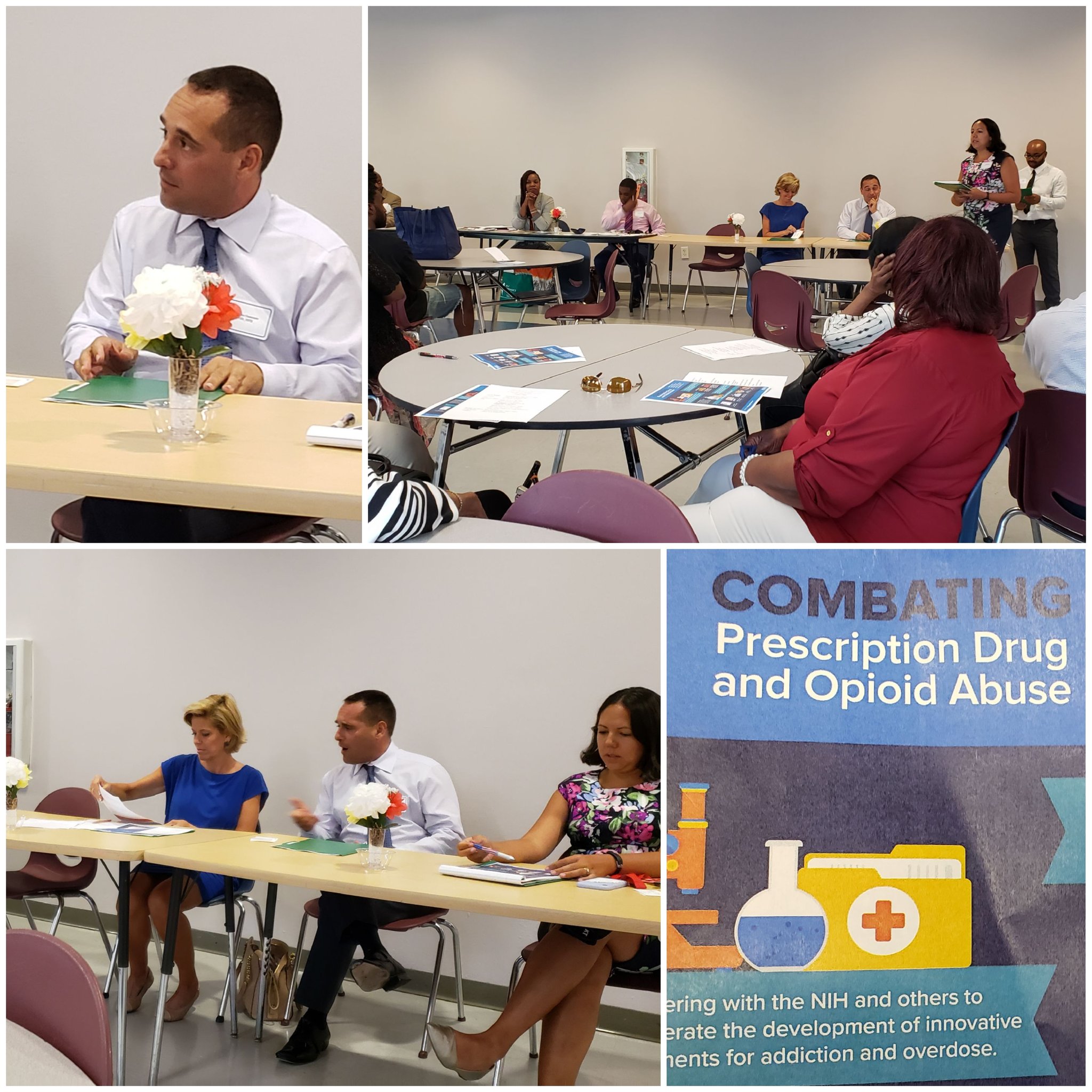
Much like the rest of the United States, residents of the District of Columbia are struggling with substance use disorder (SUD) rate increases and high rates of opioid-related deaths. Unfortunately, these are multi-faceted issues that require year-long initiatives and systematic programs to address the myriad causes of addiction.
MSDC stands as a partner to the District government and private entities to help arrest the rates of opioid and substance abuse in the District. Through our advocacy for better prescribing practices, education on addiction, and even helping our own community through our Physician Health Program, MSDC is working to make DC a leader in reducing SUD, OUD, and addiction.
On a related note, MSDC is passionate about helping patients make prescriptions and medication more affordable. Whether expanding access to biosimilars or advocating for more affordable co-pays, MSDC wants to help our patients afford the medications they need.
MSDC Statement and Testimony on Opioid and Prescription Issues
25th Council information coming soon
MSDC Launches Compensation Survey for DC Physicians
MSDC's Gender Equity Task Force has launched a city-wide physician compensation survey to evaluate pay parity in the District of Columbia. Although gender pay disparity and its negative impacts are well-documented on a national level, reliable data on the District of Columbia is lacking. To evaluate pay parity in medicine in our nation’s capital, a physician-led task force designed a confidential physician compensation survey, which can be found at
surveymonkey.com/r/physicianpay.
All physicians regardless of gender identity are encouraged to complete the survey and to then share it widely with colleagues to ensure a representative and thorough survey.
This survey comes after yet another national study found a gender pay divide in medicine. The study by Doximity found that women physicians nationwide earned nearly $102,000 less than men physicians, even after accounting for specialty, location, and experience. The gap had narrowed by 2% in the past year according to the study, but multiple studies show that the gender wage gap in medicine is stubborn.
The lack of DC-specific data makes the Gender Equity Task Force’s comprehensive MSDC survey a timely, unique, and important undertaking. Widespread participation in this survey is necessary to understand the nature and scope of gender pay disparity in the District. Therefore, the Task Force encourages all physicians to complete this critical and confidential survey, located here or via the QR code below, and then pass the survey on to colleagues. Additional information about the MSDC Gender-Equity Task Force can be found at https://www.msdc.org/advocacy/gender-equity.
Scan for survey:

Sample of Legislation MSDC Tracked on Opioid and Prescription Policy
What does it do? The bill authorizes licensed pahrmacists to dispense interchangeable biological products and requires notifications to physicians when such interchangeables are dispensed.
MSDC position: MSDC has a position of priority support on this legislation, identifying its passage as one of its highest legislative priorities.
Current status: SUCCESS. The bill was passed by the Council and signed by the Mayor.
What does it do? The bill requires prescription opioid medications to include a statement that the drug is an opioid and opioids may cause dependence, addiction, or overdoes.
MSDC position: MSDC supports the legislation.
Current status: The bill had a hearing before the Committee on Health on July 29, 2020. MSDC leader Dr. Sam Kareff testified for the Medical Society. It passed the Council on November 10 and was signed by the Mayor December 7.
What does it do? The bill prohibits insurance companies from factoring the use of PreP in decisions related to disability, life, or long-term care policies.
MSDC position: MSDC supports this legislation
Current status: The bill was introduced on January 8, 2019 and assigned to the Committee on Business and Economic Development.